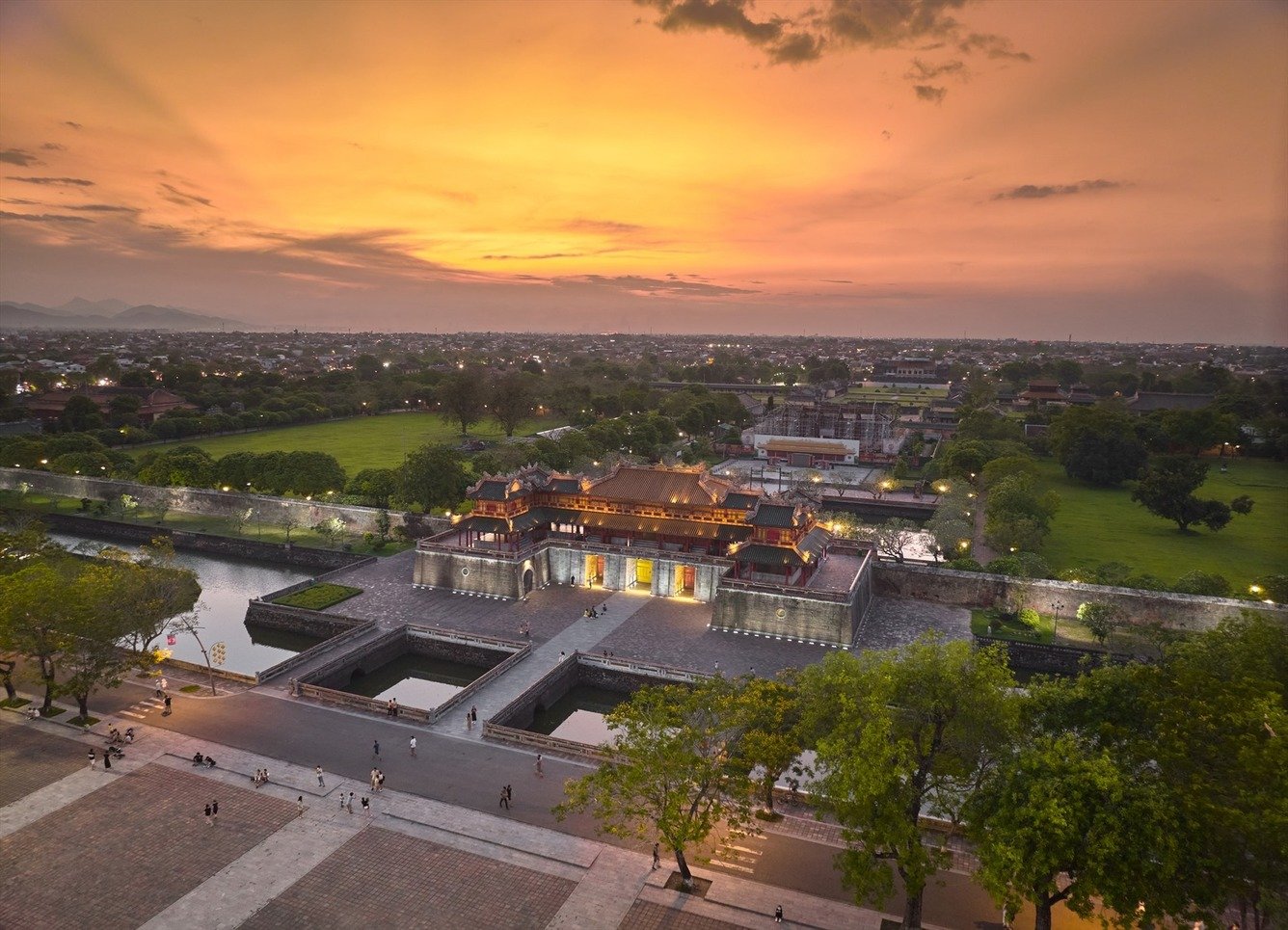
When Vietnam Was Far Larger: The Territorial Reach of Dai Nam Under Emperor Minh Mang
Few periods in Vietnamese history witnessed such a remarkable expansion of territorial reach as the reign of Emperor Minh Mang (1820–1841).
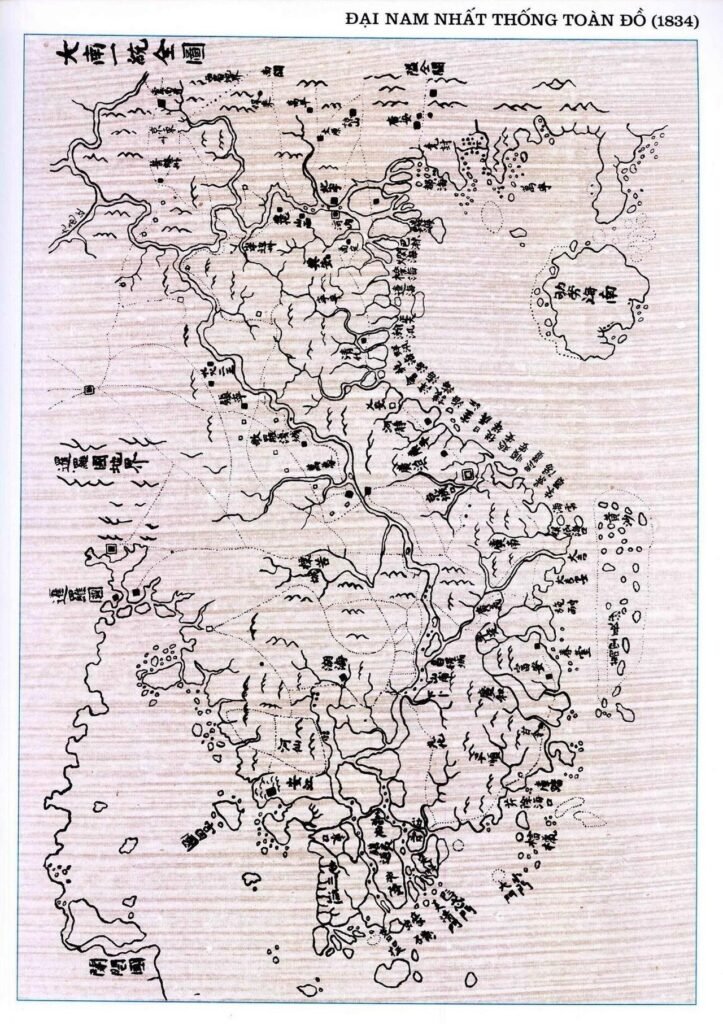
At its greatest extent in the 1830s, Dai Nam, the name used by the Nguyen dynasty for Vietnam, is estimated by some historical sources to have encompassed approximately 575,000 square kilometers. By comparison, modern Vietnam covers around 331,000 square kilometers.
If these figures are placed side by side, the territory associated with Dai Nam at its maximum extent was approximately 1.7 times the area of present-day Vietnam.
The Nguyen dynasty’s influence during this period extended beyond the borders of present-day Vietnam into parts of what are now Cambodia and Laos. Its authority varied from direct administration to political influence and dependency, reflecting the complex nature of territorial power in nineteenth-century Southeast Asia.
One of the most significant developments came in 1834, when the Nguyen government established Tran Tay Thanh in Cambodia and placed the region under direct administration. This marked the height of Nguyen involvement in Cambodian affairs.
The period under Emperor Minh Mang therefore represents one of the most remarkable moments in the territorial and political history of Vietnam.
For a time, Dai Nam extended its political and military influence deep into mainland Southeast Asia, reaching far beyond the boundaries of the modern Vietnamese state.
The map of Vietnam in the nineteenth century was remarkably different from the map we know today.
It was an era shaped by expansion, diplomacy, warfare, and the struggle for influence across Southeast Asia.